 1388xx888xx
1388xx888xx
1388xx888xx
1388xx888xx
1388xx888xx
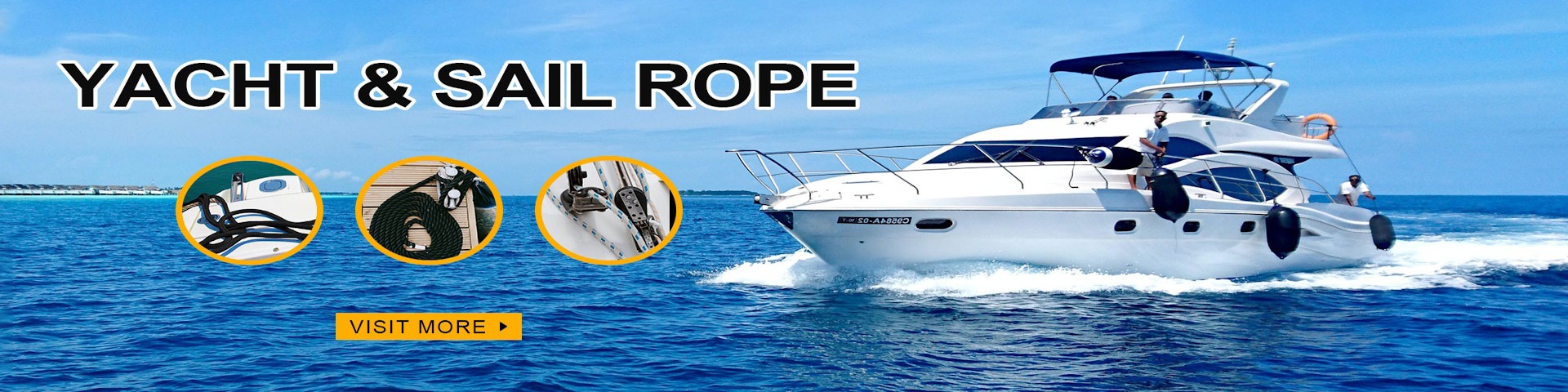
Время обновления:2025-12-21
В современном мире, где технологии и инновации определяют успех в любой отрасли, канатные решения играют crucial роль. От строительных площадок до морских глубин, от промышленных предприятий до спасательных операций — канаты являются неотъемлемой частью профессиональной деятельности. В этой статье мы погрузимся в мир эксклюзивных канатных решений, разработанных специально для профессионалов, и покажем, как они могут революционизировать вашу работу, обеспечивая безопасность, надежность и эффективность.
Канаты использовались человечеством с древних времен. Первые свидетельства их применения датируются тысячелетиями назад, когда люди изготавливали веревки из натуральных материалов, таких как лен, конопля или кожа. Эти примитивные канаты служили для охоты, строительства и транспортировки грузов. Однако с развитием цивилизации потребности в более прочных и надежных решениях только росли.
В эпоху промышленной революции канатные технологии совершили значительный скачок. Появление стальных канатов в XIX веке, изобретенных немецким инженером Вильгельмом Альбертом, открыло новые горизонты для индустрии. Стальные канаты быстро заменили свои натуральные аналоги в таких областях, как горнодобывающая промышленность, строительство мостов и судоходство. Их высокая прочность и долговечность сделали их незаменимыми для тяжелых условий работы.
Современная эра brought further innovations. В XX и XXI веках развитие полимерных материалов, таких как нейлон, полиэстер и арамидные волокна (например, кевлар), позволило создавать канаты с уникальными свойствами: легкостью, устойчивостью к коррозии, высокой нагрузочной способностью и гибкостью. Кроме того, advancements in manufacturing processes, such as computer-controlled weaving and coating technologies, have enabled the production of ropes tailored to specific applications, from ultra-strong cables for cranes to lightweight lines for sailing.
Сегодня канатные решения evolved into sophisticated systems that integrate smart technologies. For instance, some modern ropes are equipped with sensors that monitor tension, wear, and environmental conditions, providing real-time data to operators. This not only enhances safety but also optimizes performance and reduces downtime. The journey from simple natural fibers to high-tech composites illustrates how rope technology has kept pace with human progress, and it continues to evolve to meet the demands of professionals across all sectors.
Канаты находят применение в countless fields, each with its unique requirements. Let's explore some of the most critical areas where exclusive rope solutions make a difference.
В строительной отрасли канаты используются for lifting heavy materials, securing structures, and providing access for workers. Steel cables are commonly employed in cranes, hoists, and elevators due to their immense strength. For example, in the construction of skyscrapers, high-performance ropes are essential for lifting beams and panels to great heights. Synthetic ropes, made from materials like Dyneema, offer advantages in weight reduction and corrosion resistance, making them ideal for temporary installations or environments with exposure to moisture.
Safety is paramount in construction, and ropes play a vital role in fall protection systems. Harnesses and lanyards attached to secure anchor points rely on durable ropes to prevent accidents. Our exclusive solutions include ropes with enhanced UV resistance and abrasion protection, ensuring longevity even in harsh outdoor conditions. Additionally, for bridge construction or repair, specialized ropes are used in suspension systems and cable-stayed designs, where precision and reliability are non-negotiable.
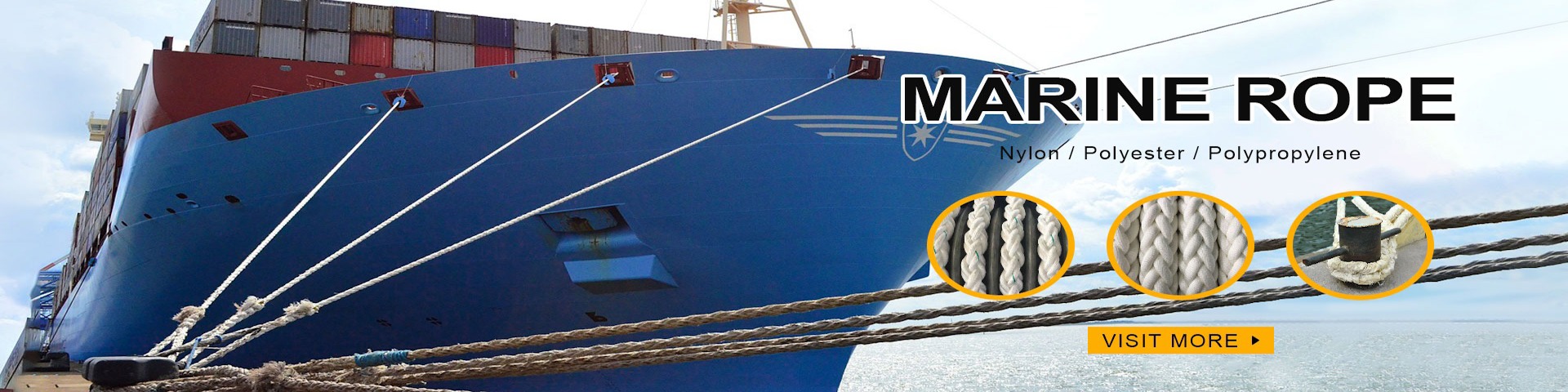
The maritime sector is one of the oldest and most demanding users of rope technology. From mooring ships to towing and fishing, ropes must withstand saltwater, extreme weather, and heavy loads. Traditional manila ropes have been largely replaced by synthetic options like polypropylene and polyester, which offer better buoyancy and resistance to degradation.
In offshore oil and gas operations, ropes are critical for anchoring platforms, handling equipment, and emergency response. High-modulus polyethylene (HMPE) ropes, such as those made from Spectra or Dyneema, provide exceptional strength-to-weight ratios, allowing for easier handling and reduced storage space. For deep-sea applications, ropes designed for low stretch and high fatigue resistance are essential to maintain stability and safety. Our exclusive marine ropes incorporate anti-fouling coatings and are tested to meet international standards like those from the International Maritime Organization (IMO).
In industrial settings, ropes are used in conveyor systems, material handling, and machinery. For instance, in mining, steel wire ropes are employed in elevators and haulage systems to move ore and equipment underground. The durability of these ropes is critical to prevent failures that could lead to costly downtime or accidents.
Synthetic ropes have also found their place in manufacturing, particularly in automation and robotics. Lightweight and flexible ropes can be used in pulley systems or as part of robotic arms, where precision and minimal maintenance are key. Our industrial rope solutions include options with high temperature resistance for use in foundries or chemical plants, as well as anti-static varieties for environments with explosive risks.
For rescue operations, whether in mountains, at sea, or in urban environments, ropes are lifelines. They must be strong, lightweight, and easy to deploy. Kernmantle ropes, with a core (kern) for strength and a sheath (mantle) for protection, are standard in climbing and rescue due to their excellent handling and durability.
In firefighting, ropes are used for rappelling, hauling equipment, and securing victims. Our exclusive rescue ropes are designed with high visibility colors and reflective elements for low-light conditions, and they undergo rigorous testing to ensure they can withstand extreme forces. For military and police applications, ropes are used in rappelling, fast-ropping from helicopters, and tactical operations, where reliability can mean the difference between life and death.
Beyond professional uses, ropes are integral to sports like rock climbing, sailing, and zip-lining. In climbing, dynamic ropes absorb energy to protect against falls, while static ropes are used for fixed lines. Sailing ropes, or sheets, need to be low-stretch and resistant to UV and abrasion.
Our recreational rope solutions cater to enthusiasts and professionals alike, offering products that balance performance with safety. For example, we provide ropes with dry treatments to repel water in wet conditions, enhancing grip and longevity. In adventure tourism, ropes for via ferrata or canopy tours are engineered to handle repetitive use and environmental stressors.
These applications highlight the versatility of rope solutions. Whatever your field, there is a rope designed to meet your specific needs, and our exclusive products are at the forefront of this innovation.
The advancement of rope technology is driven by breakthroughs in materials science and manufacturing techniques. Let's delve into some of the cutting-edge developments that make our exclusive rope solutions stand out.
Traditional materials like steel and natural fibers have been supplemented and often replaced by synthetic polymers. Aramid fibers, such as Kevlar and Twaron, offer high tensile strength and heat resistance, making them ideal for applications where weight savings and fire safety are concerns. For instance, in aerospace, aramid ropes are used in parachute cords and restraint systems.
Ultra-high-molecular-weight polyethylene (UHMWPE) fibers, like Dyneema and Spectra, are among the strongest and lightest materials available. They have a strength-to-weight ratio that exceeds steel, yet they float on water. This makes them perfect for marine and rescue operations. Our ropes utilizing UHMWPE are engineered to handle loads that would break conventional ropes, all while being easy to handle and store.
The integration of Internet of Things (IoT) technology into ropes is a game-changer. Smart ropes embedded with sensors can monitor parameters such as tension, temperature, and wear in real-time. This data is transmitted to a central system, allowing for predictive maintenance and immediate alerts if conditions become unsafe.
For example, in construction, a smart rope on a crane can detect overloading and prevent accidents. In shipping, mooring lines with sensors can alert crews to excessive movement or potential breakage. Our exclusive smart rope solutions include Bluetooth or Wi-Fi connectivity, enabling seamless integration with existing management systems. This not only enhances safety but also reduces operational costs by minimizing unplanned downtime.
Coatings play a crucial role in extending the life of ropes. Abrasion-resistant coatings, such as polyurethane or thermoplastic elastomers, protect against wear from friction with surfaces or other ropes. UV-resistant treatments prevent degradation from sunlight, which is vital for outdoor applications.
Additionally, hydrophobic coatings repel water, keeping ropes dry and maintaining their strength in wet conditions. For chemical resistance, specialized coatings can be applied to ropes used in industrial environments where exposure to acids or solvents is common. Our manufacturing process includes advanced coating technologies that ensure uniform application and long-lasting protection.
As sustainability becomes a priority, we are developing ropes made from recycled materials or bio-based polymers. For instance, ropes from recycled PET bottles offer performance similar to virgin materials while reducing environmental impact. Biodegradable options are also available for temporary uses, such as in agriculture or event staging, where disposal is a concern.
Our commitment to sustainability extends to the entire lifecycle of our products, from sourcing raw materials to end-of-life recycling programs. By choosing our exclusive ropes, professionals not only get top-tier performance but also contribute to a greener future.
These innovations demonstrate that rope technology is not static; it is continuously evolving to meet the challenges of modern professionals. Our research and development team works tirelessly to incorporate the latest advancements into our products, ensuring that you always have access to the best solutions available.
Selecting the right rope for your application is critical to ensure safety, efficiency, and cost-effectiveness. Here is a comprehensive guide to help you make an informed decision.
First, determine the maximum load the rope will need to support. This includes considering static loads (constant weight) and dynamic loads (shock or movement). Always choose a rope with a working load limit (WLL) that exceeds your expected maximum load by a safety factor, typically 5:1 or higher for critical applications.
Next, assess the environmental conditions. Will the rope be used indoors or outdoors? Exposure to UV light, moisture, chemicals, or extreme temperatures can affect performance. For example, in marine environments, corrosion-resistant synthetic ropes are preferable, while in high-temperature settings, heat-resistant materials like aramid are essential.
Different materials offer distinct advantages:
Consider the specific properties needed, such as elasticity, weight, and handling characteristics. Our product range includes options tailored to various needs, and our experts can provide recommendations based on your requirements.
Rope diameter affects strength and handling. Thicker ropes are generally stronger but harder to handle and store. The construction type (e.g., braided, twisted, or kernmantle) also influences performance. Braided ropes are more flexible and have a smoother surface, while twisted ropes are traditional and easier to splice.
For applications requiring high flexibility and fatigue resistance, kernmantle construction is often best. Consult our specifications charts to match diameter and construction to your load and usage patterns.
Ensure that the rope meets relevant industry standards, such as those from OSHA (Occupational Safety and Health Administration), EN (European Norms), or ISO (International Organization for Standardization). Certifications indicate that the rope has undergone rigorous testing for safety and performance.
Our exclusive ropes are certified and come with detailed documentation, including test reports and warranty information. This gives you peace of mind that you are using a reliable product.
Even the best rope requires regular inspection and maintenance. Establish a schedule to check for signs of wear, such as fraying, discoloration, or reduced diameter. Keep ropes clean and store them properly to avoid damage from moisture or UV exposure.
We offer maintenance services and training programs to help you extend the life of your ropes. By following best practices, you can maximize safety and ROI.
Choosing the right rope is a process that involves careful consideration of multiple factors. Our team is here to assist you every step of the way, ensuring that you select a solution that perfectly matches your professional needs.
Proper maintenance and safety practices are essential to get the most out of your rope investments and prevent accidents. Here are some actionable tips.
Inspect ropes before each use. Look for visible damage, such as cuts, abrasions, or broken strands. For synthetic ropes, check for stiffness or brittleness, which can indicate UV degradation. For steel ropes, rust or deformation are red flags.
Use a rope log to track usage and inspection history. This helps identify patterns of wear and plan replacements proactively. Our smart ropes can automate this process with sensor data, but manual checks are still recommended.
Store ropes in a cool, dry place away from direct sunlight and chemicals. Avoid coiling them too tightly, as this can cause kinks and weaken the fibers. Use bags or reels designed for rope storage to protect against dirt and moisture.
For long-term storage, consider applying protective coatings or using desiccants to control humidity. Proper storage extends the life of your ropes and ensures they are ready for use when needed.
Always use ropes within their rated capacity. Never exceed the working load limit, and avoid sharp bends or edges that can cause cutting. Use protective sleeves or pads when ropes contact abrasive surfaces.
In team environments, ensure all personnel are trained in proper handling techniques. This includes knowing how to tie secure knots, use appropriate hardware (e.g., shackles, pulleys), and recognize signs of impending failure.
Have a plan in place for rope failures or accidents. This includes having backup ropes available, knowing how to perform emergency repairs, and training for rescue operations. Regularly drill these procedures to keep skills sharp.
Our exclusive ropes are designed with safety in mind, but human vigilance is the final layer of protection. By adhering to these practices, you can minimize risks and ensure a safe working environment.
Maintenance and safety are not just about preserving equipment; they are about protecting lives and investments. Invest in quality ropes and commit to best practices for long-term success.
As we look to the future, rope technology will continue to evolve with advancements in materials, IoT integration, and sustainability. Trends such as the use of nanotechnology for stronger fibers, AI-driven predictive maintenance, and circular economy principles will shape the next generation of rope solutions.
Our company is at the forefront of these developments. We offer exclusive rope solutions that combine cutting-edge technology with proven reliability. Whether you are in construction, maritime, industrial, or any other field, our products are engineered to meet the highest standards of performance and safety.
By choosing us, you benefit from:
Не settle for ordinary ropes. Upgrade to our exclusive solutions and experience the difference in safety, efficiency, and peace of mind. Contact us today to discuss how we can support your professional endeavors with the best rope technology available.
О нас
Мы являемся ведущим производителем промышленных канатов и такелажного оборудования. Специализируемся на разработке и производстве высокопрочных технических канатов для экстремальных условий эксплуатации. Наша продукция соответствует международным стандартам безопасности и качества.
Производственные мощности оснащены современным оборудованием, позволяющим создавать канаты диаметром от 2 мм до 120 мм с различными типами плетения. Технологический процесс включает многоступенчатый контроль качества на каждом этапе производства.
В производстве используются передовые методы:
Каждая партия продукции проходит испытания на разрывную нагрузку, устойчивость к истиранию и воздействию агрессивных сред. Применяемое сырье проходит радиографический контроль для выявления внутренних дефектов.
Изготавливаемые по ГОСТ и DIN стандартам, включают:
Производство из современных материалов:
Разработка продуктов для особых условий:
Система менеджмента качества включает:
Лаборатория оснащена гидравлическими прессами с усилием до 5000 кН, позволяющими тестировать канаты длиной до 30 метров. Все изделия сопровождаются сертификатами соответствия.
Несущие системы для кранового оборудования, армирующие элементы для бетонных конструкций, системы страховки при высотных работах. Канаты с коэффициентом безопасности 8:1.
Швартовые системы для судов, буксирные канаты, такелаж для парусного оборудования, подъемные системы для грузоперевозок. Продукция с повышенной стойкостью к морской воде.
Подъемные системы для шахт, конвейерные тросы, проходческие канаты, оборудование для буровых установок. Изделия с увеличенным сроком службы в абразивных средах.
Стропы для контейнерных перевозок, крепежные системы для негабаритных грузов, такелаж для складского оборудования. Комплектующие с цветовой маркировкой грузоподъемности.
Производственные процессы ориентированы на минимизацию экологического следа. Внедрены системы рециклинга металлической стружки, используется расплав солей вместо кислотных ванн для обработки. Синтетические канаты производятся из перерабатываемых материалов.
Разрабатываются интеллектуальные канаты со встроенными датчиками контроля нагрузки и износа. Ведутся исследования в области нанокомпозитных покрытий, увеличивающих срок службы тросов на 40%. Внедряются технологии прогнозирования остаточного ресурса.
Сотрудничаем с проектными институтами для разработки комплексных решений. Предоставляем инженерную поддержку на этапе проектирования конструкций. Обеспечиваем техническое обучение по правилам эксплуатации канатных систем.
Свяжитесь с нами
Почтовый ящик:1388xx888xx@gmail.com
Телефон:1388xx888xx
Адрес:Haojiazhuang Village, Qiujiadian Town, Taian, Shandong, China
Мобильные телефоны:1388xx888xx