 1388xx888xx
1388xx888xx
1388xx888xx
1388xx888xx
1388xx888xx
Время обновления:2025-12-17
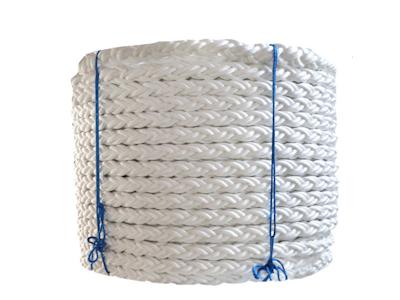
Введение: Морское судоходство всегда было краеугольным камнем глобальной экономики, обеспечивая перевозку товаров и ресурсов по всему миру. Однако, традиционные материалы, используемые в судоходной индустрии, такие как стальные тросы, часто сталкиваются с проблемами коррозии, веса и ограниченной гибкости. В последние десятилетия полипропиленовый трос emerged как инновационное решение, обещающее трансформировать отрасль. Эта статья углубляется в революционное влияние полипропиленового троса на морское судоходство, исследуя его преимущества, applications, и будущие перспективы.
Морское судоходство имеет богатую историю, dating back to ancient civilizations. Initially, ropes were made from natural fibers like hemp or manila, which were susceptible to rot and degradation in marine environments. The advent of steel cables in the 19th century marked a significant advancement, offering greater strength and durability. However, steel cables are heavy, prone to corrosion from saltwater, and require frequent maintenance. In the mid-20th century, synthetic materials like nylon and polyester were introduced, providing improved resistance to moisture and UV radiation. But it was the development of polypropylene in the 1950s that truly set the stage for a revolution. Polypropylene, a thermoplastic polymer, offered unique properties such as low density, high chemical resistance, and excellent floatability. Over time, advancements in manufacturing processes have enhanced its strength and durability, making polypropylene rope a viable alternative to traditional materials in maritime applications.
Полипропиленовый трос обладает numerous advantages that make it ideal for maritime use. Firstly, its low density means it is lightweight, reducing the overall weight of vessels and improving fuel efficiency. This is crucial in an era where environmental concerns and cost savings are paramount. Secondly, polypropylene is highly resistant to water, chemicals, and UV radiation, ensuring longevity and reducing maintenance costs. Unlike steel cables, it does not corrode, eliminating the need for protective coatings and frequent replacements. Additionally, polypropylene rope floats on water, which enhances safety during operations such as mooring and towing, as it remains visible and easy to retrieve. Its flexibility and elasticity allow for better shock absorption, reducing stress on equipment and structures. Moreover, polypropylene is non-conductive, making it safer in electrical environments. These benefits collectively contribute to increased operational efficiency and safety in maritime settings.
Полипропиленовый трос finds extensive applications across various aspects of maritime operations. In mooring lines, it is used to secure vessels to docks or buoys, offering superior handling and durability compared to traditional ropes. Its buoyancy prevents tangling and simplifies deployment. In towing operations, polypropylene ropes are preferred for their strength and elasticity, which help absorb the dynamic loads encountered during towing, reducing the risk of breakage. For fishing industries, these ropes are used in nets and lines, providing resistance to saltwater and abrasion. In offshore drilling and renewable energy sectors, such as wind farms, polypropylene ropes are employed for anchoring and maintenance tasks due to their reliability and ease of use. Furthermore, in rescue and safety equipment, their floatability and visibility make them ideal for lifeboats and emergency lines. The versatility of polypropylene rope extends to recreational boating, where it is valued for its lightweight and user-friendly nature.
When compared to traditional materials like steel, natural fibers, or other synthetics, polypropylene rope stands out in several key areas. Steel cables, while strong, are heavy and require anti-corrosion treatments, increasing costs and environmental impact. Natural fibers such as hemp degrade quickly in wet conditions, limiting their lifespan. Other synthetic ropes like nylon or polyester offer good performance but may absorb water, leading to weight gain and reduced efficiency. Polypropylene, in contrast, maintains its properties in marine environments, with minimal water absorption and excellent resistance to elements. Cost-wise, polypropylene ropes are often more affordable to produce and maintain, though initial investment might be higher than some alternatives, the long-term savings in maintenance and replacement justify the choice. Environmental impact is another factor; polypropylene is recyclable and has a lower carbon footprint compared to steel production, aligning with modern sustainability goals in the shipping industry.
The technical properties of polypropylene rope are a result of advanced polymer science. It is typically manufactured through extrusion processes, where polypropylene pellets are melted and formed into fibers, which are then twisted or braided into ropes. Key properties include a tensile strength that can range from moderate to high, depending on the construction, and a melting point around 160°C, making it suitable for most maritime conditions without risk of degradation. Innovations in coating technologies have further enhanced its performance; for instance, additives can improve UV resistance or reduce friction. Recent developments include hybrid ropes that combine polypropylene with other materials like aramid fibers for increased strength in critical applications. Additionally, smart ropes integrated with sensors for monitoring tension and wear are emerging, leveraging IoT technology to provide real-time data for predictive maintenance. These advancements ensure that polypropylene rope remains at the forefront of maritime innovation.
The adoption of polypropylene rope offers significant environmental and economic benefits. Environmentally, it contributes to sustainability by reducing the reliance on non-renewable resources like steel, which has a high energy-intensive production process. Polypropylene is derived from petroleum, but its lightweight nature leads to lower fuel consumption in vessels, thereby reducing greenhouse gas emissions. It is also recyclable, and efforts are underway to develop biodegradable variants to minimize ocean pollution. Economically, the reduced weight translates to fuel savings, which can be substantial over the lifespan of a vessel. Lower maintenance costs due to resistance to corrosion and wear further decrease operational expenses. For shipping companies, this means improved profitability and compliance with increasingly strict environmental regulations. Case studies from major shipping lines show that switching to polypropylene ropes can result in cost reductions of up to 20% in fuel and maintenance, highlighting its economic viability.
Safety is paramount in maritime operations, and polypropylene rope enhances it in multiple ways. Its floatability ensures that ropes do not sink, reducing the risk of entanglement with propellers or other underwater obstacles, which is a common hazard with steel cables. The high visibility of polypropylene ropes, often available in bright colors, improves situational awareness during operations, preventing accidents. Its elasticity allows it to absorb sudden loads, such as those from waves or collisions, reducing the likelihood of snap-back injuries. Moreover, being non-conductive, it eliminates electrical hazards in environments with high voltage equipment. Reliability is bolstered by its durability; polypropylene ropes can withstand harsh conditions without significant degradation, ensuring consistent performance over time. Regular inspections and adherence to industry standards, such as those set by organizations like the International Maritime Organization (IMO), further ensure that these ropes meet safety requirements, making them a trusted choice for critical maritime tasks.
The future of polypropylene rope in maritime shipping looks promising, driven by ongoing research and innovation. Trends include the development of smarter ropes with embedded technology for real-time monitoring of conditions like tension, temperature, and wear, enabling predictive maintenance and enhancing safety. There is also a push towards more sustainable production methods, such as using recycled materials or bio-based polypropylene from renewable sources. Challenges remain, however; for instance, polypropylene has lower abrasion resistance compared to some materials like steel, which may limit its use in high-abrasion applications. Addressing this through composite materials or improved coatings is a focus area. Additionally, education and training for maritime personnel on the proper use and handling of polypropylene ropes are essential to maximize benefits. As the industry moves towards automation and digitalization, integrating these ropes with autonomous vessels could open new possibilities. Overall, the continued evolution of polypropylene rope is set to play a crucial role in the future of efficient and sustainable maritime transportation.
В заключение, полипропиленовый трос represents a revolutionary advancement in maritime shipping, offering a blend of lightweight design, durability, and environmental benefits that address many of the limitations of traditional materials. Its applications span from mooring and towing to safety and recreational uses, driven by technical innovations that enhance performance. The economic and safety advantages make it an attractive choice for the industry, while future trends promise even greater integration with technology and sustainability. As global trade continues to grow, embracing such innovations will be key to ensuring efficient, safe, and eco-friendly maritime operations. The polypropylene rope is not just a tool but a symbol of progress in the relentless pursuit of improvement in the world's oceans.
О нас
Мы являемся ведущим производителем промышленных канатов и такелажного оборудования. Специализируемся на разработке и производстве высокопрочных технических канатов для экстремальных условий эксплуатации. Наша продукция соответствует международным стандартам безопасности и качества.
Производственные мощности оснащены современным оборудованием, позволяющим создавать канаты диаметром от 2 мм до 120 мм с различными типами плетения. Технологический процесс включает многоступенчатый контроль качества на каждом этапе производства.
В производстве используются передовые методы:
Каждая партия продукции проходит испытания на разрывную нагрузку, устойчивость к истиранию и воздействию агрессивных сред. Применяемое сырье проходит радиографический контроль для выявления внутренних дефектов.
Изготавливаемые по ГОСТ и DIN стандартам, включают:
Производство из современных материалов:
Разработка продуктов для особых условий:
Система менеджмента качества включает:
Лаборатория оснащена гидравлическими прессами с усилием до 5000 кН, позволяющими тестировать канаты длиной до 30 метров. Все изделия сопровождаются сертификатами соответствия.
Несущие системы для кранового оборудования, армирующие элементы для бетонных конструкций, системы страховки при высотных работах. Канаты с коэффициентом безопасности 8:1.
Швартовые системы для судов, буксирные канаты, такелаж для парусного оборудования, подъемные системы для грузоперевозок. Продукция с повышенной стойкостью к морской воде.
Подъемные системы для шахт, конвейерные тросы, проходческие канаты, оборудование для буровых установок. Изделия с увеличенным сроком службы в абразивных средах.
Стропы для контейнерных перевозок, крепежные системы для негабаритных грузов, такелаж для складского оборудования. Комплектующие с цветовой маркировкой грузоподъемности.
Производственные процессы ориентированы на минимизацию экологического следа. Внедрены системы рециклинга металлической стружки, используется расплав солей вместо кислотных ванн для обработки. Синтетические канаты производятся из перерабатываемых материалов.
Разрабатываются интеллектуальные канаты со встроенными датчиками контроля нагрузки и износа. Ведутся исследования в области нанокомпозитных покрытий, увеличивающих срок службы тросов на 40%. Внедряются технологии прогнозирования остаточного ресурса.
Сотрудничаем с проектными институтами для разработки комплексных решений. Предоставляем инженерную поддержку на этапе проектирования конструкций. Обеспечиваем техническое обучение по правилам эксплуатации канатных систем.
Свяжитесь с нами
Почтовый ящик:1388xx888xx@gmail.com
Телефон:1388xx888xx
Адрес:Haojiazhuang Village, Qiujiadian Town, Taian, Shandong, China
Мобильные телефоны:1388xx888xx