 1388xx888xx
1388xx888xx
1388xx888xx
1388xx888xx
1388xx888xx
Время обновления:2025-12-05
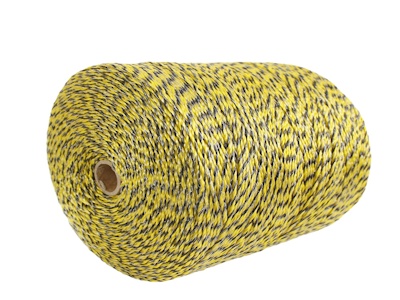
В мире, где экстремальные условия становятся все более распространенными, выбор надежного оборудования может быть вопросом жизни и смерти. Нейлоновая веревка, с ее удивительной прочностью и универсальностью, зарекомендовала себя как незаменимый инструмент в различных областях, от альпинизма до промышленности. В этой статье мы подробно исследуем, почему нейлоновая веревка демонстрирует такую невероятную прочность в самых суровых условиях, и как она помогает спасать жизни и обеспечивать безопасность.
Нейлоновая веревка, изобретенная в середине XX века, произвела революцию в многих отраслях благодаря своим уникальным свойствам. Сделанная из синтетического полиамидного волокна, она обладает высокой прочностью на разрыв, эластичностью и устойчивостью к воздействию окружающей среды. Эти характеристики делают ее идеальной для использования в экстремальных условиях, где традиционные материалы, такие как хлопок или пенька, часто fail.
История нейлоновой веревки начинается с разработки нейлона компанией DuPont в 1930-х годах. Первоначально использовавшийся для чулок, нейлон быстро нашел применение в военной и промышленной сферах благодаря своей прочности. К 1950-м годам нейлоновые веревки стали стандартом в альпинизме и морском деле, заменив менее надежные натуральные волокна.
Что делает нейлоновую веревку такой особенной? Ее молекулярная структура позволяет ей растягиваться под нагрузкой, поглощая энергию и снижая риск разрыва. Это свойство, известное как упругость, критически важно в ситуациях, где внезапные удары или падения могут привести к катастрофе. Кроме того, нейлон устойчив к влаге, ультрафиолетовому излучению и химическим веществам, что продлевает его срок службы даже в самых harsh условиях.
Чтобы понять, почему нейлоновая веревка так прочна, необходимо углубиться в науку о материалах. Нейлон является полиamide polymer, что означает, что его молекулы состоят из повторяющихся units, связанных прочными химическими bonds. Эта структура придает материалу high tensile strength, то есть способность выдерживать значительные stretching forces без breaking.
Ключевым фактором является модуль упругости нейлона. При нагрузке веревка растягивается, но возвращается к своей original length после снятия нагрузки, если не превышен предел упругости. Это позволяет ей absorb shock, например, при падении альпиниста, распределяя force по всей length и reducing peak stress на anchor points.
Кроме того, нейлон обладает high abrasion resistance. В экстремальных условиях, таких как трение о скалы или морская water, другие materials быстро изнашиваются, но нейлоновая веревка сохраняет свою integrity благодаря dense fiber structure. Tests show that nylon ropes can withstand millions of cycles of bending and rubbing before showing signs of wear.
Another scientific aspect is the resistance to environmental factors. Nylon is hydrophobic, meaning it repels water, which prevents weakening due to absorption. It also has good UV resistance, though prolonged exposure can degrade it over time. Additives during manufacturing can enhance these properties, making modern nylon ropes even more durable.
In comparison to other materials, nylon outperforms natural fibers like hemp or manila in almost every metric. For instance, a typical nylon rope has a tensile strength of up to 10,000 pounds, while natural ropes might only reach 2,000-3,000 pounds. Synthetic alternatives like polyester or polypropylene offer similar benefits but often lack the elasticity of nylon, which is crucial for shock absorption.
Альпинизм — одна из самых demanding areas where nylon rope proves its worth. In this sport, safety is paramount, and a reliable rope can mean the difference between life and death. Nylon dynamic ropes, designed to stretch, are used for lead climbing because they absorb the energy of a fall, reducing the impact force on the climber and the anchor.
Consider a real-world example: during a climb on Mount Everest, teams rely on nylon ropes fixed along dangerous sections. These ropes must withstand extreme cold, high winds, and the weight of multiple climbers. In 2019, a rescue operation on K2 involved nylon ropes that held firm despite avalanches and sub-zero temperatures, saving several lives.
The elasticity of nylon is particularly beneficial here. When a climber falls, the rope stretches, decelerating them gradually rather than abruptly. This reduces the risk of injury and equipment failure. Standards set by organizations like the UIAA (International Climbing and Mountaineering Federation) ensure that nylon ropes undergo rigorous testing for strength, elongation, and durability before being certified for use.
Moreover, nylon ropes are lightweight and easy to handle, which is essential for climbers carrying gear over long distances. Innovations like dry treatments make them water-resistant, preventing ice buildup in cold conditions. The psychological comfort of knowing the rope won't fail under pressure cannot be overstated—it allows climbers to focus on their ascent rather than fear equipment failure.
In bouldering and sport climbing, static nylon ropes are used for top-roping, where less stretch is desired. However, even here, nylon's durability against abrasion from rock surfaces makes it a preferred choice. Regular inspections and replacements are necessary, but a well-maintained nylon rope can last for years of intensive use.
The marine environment is another arena where nylon rope shines. Saltwater, waves, and constant motion create conditions that can quickly deteriorate inferior materials. Nylon's resistance to water and UV light makes it ideal for mooring lines, anchor ropes, and diving applications.
For example, in sailing, nylon ropes are used for sheets and halyards because they don't rot or mildew like natural fibers. During a storm, the elasticity of nylon helps absorb the shock of waves, preventing damage to the boat and ensuring the rope doesn't snap. In 2021, a yacht competing in the Vendée Globe race relied on nylon ropes that withstood hurricane-force winds without failure.
Underwater, nylon is used in diving and rescue operations. Its buoyancy and strength make it suitable for lifting heavy objects or securing equipment. In salvage operations, such as recovering shipwrecks, nylon slings and ropes are employed because they can handle the weight and corrosive effects of seawater.
Fishing industries also benefit from nylon ropes for nets and lines. The material's flexibility reduces tangling, and its durability means fewer replacements, saving time and money. Additionally, nylon is less likely to harm marine life compared to some synthetic alternatives that can cause entanglement issues.
Maintenance in marine settings involves rinsing with fresh water to remove salt and inspecting for UV damage. Despite these challenges, nylon ropes often outlast other options, providing reliable performance in some of the most unpredictable conditions on Earth.
Beyond recreation, nylon rope is a workhorse in industrial and rescue contexts. In construction, it's used for lifting heavy loads, securing scaffolds, and as safety lines. Its high strength-to-weight ratio allows workers to move materials efficiently without compromising safety.
Rescue operations, such as those conducted by fire departments or mountain rescue teams, depend on nylon ropes for rappelling, hauling victims, and creating anchor systems. During natural disasters like earthquakes or floods, nylon ropes enable access to trapped individuals where other equipment might fail. For instance, in the 2010 Haiti earthquake, rescue teams used nylon ropes to extract people from collapsed buildings, relying on their strength and elasticity to navigate debris.
In the entertainment industry, nylon ropes are used in stunts and rigging for films and theaters. They must perform flawlessly under dynamic loads, such as when simulating falls or flights. The predictability of nylon's behavior under stress makes it a trusted choice for these high-risk applications.
Industrial standards, such as those from OSHA in the U.S., mandate the use of certified nylon ropes for certain tasks to ensure worker safety. Regular testing for abrasion, UV degradation, and load capacity is essential. Advances in manufacturing have led to ropes with even higher breaking strengths, some exceeding 20,000 pounds, suitable for lifting massive industrial components.
The versatility of nylon rope extends to everyday uses like towing vehicles or securing cargo during transport. Its ability to handle sudden jolts without snapping prevents accidents and damage. In all these scenarios, the incredible strength of nylon rope in extreme conditions not only enhances efficiency but also saves lives and resources.
To fully appreciate nylon's superiority, it's helpful to compare it with other rope materials. Natural fibers like hemp or sisal have been used for centuries but lack the consistency and durability of synthetics. They absorb water, leading to rot and weakening, and have lower tensile strength. In extreme conditions, they can fail unpredictably.
Polyester is a common synthetic alternative to nylon. It offers excellent UV resistance and low stretch, making it good for applications where minimal elongation is desired, such as in static lines. However, polyester is less elastic than nylon, so it doesn't absorb shock as well. This makes it less ideal for dynamic loads like climbing falls.
Polypropylene is lightweight and floats, but it has poor UV resistance and lower strength compared to nylon. It degrades quickly in sunlight, limiting its use in outdoor extreme conditions. Other materials like Dyneema or Spectra are ultra-high-strength fibers but are very expensive and lack the elasticity of nylon, making them better suited for specific niche applications rather than general use.
Nylon strikes a balance between strength, elasticity, cost, and durability. It may not be the best in every single category, but its overall performance profile makes it the go-to choice for a wide range of extreme conditions. For example, in a side-by-side test, a nylon rope might show more stretch than polyester under the same load, but that stretch is what prevents catastrophic failure in impact scenarios.
Environmental considerations also play a role. While nylon is not biodegradable, its longevity means fewer replacements and less waste over time. Recycling programs for nylon ropes are emerging, reducing their ecological footprint. In contrast, natural fibers might be biodegradable but require more frequent replacement, leading to higher resource consumption.
Nothing illustrates the incredible strength of nylon rope better than real-life stories. Take the case of a mountain rescue on Denali in Alaska. In 2018, a team used nylon ropes to evacuate an injured climber from a crevasse. The ropes held despite temperatures dropping to -40°C and constant shifting ice, demonstrating their reliability in Arctic conditions.
Another example comes from the maritime world. During the rescue of the cargo ship MSC Napoli in 2007, nylon ropes were employed to secure the vessel during towage in stormy seas. The ropes' elasticity absorbed the violent motions, preventing them from snapping and averting an environmental disaster.
In industrial settings, a construction project in Dubai utilized nylon slings to lift prefabricated modules weighing over 100 tons. The ropes' ability to handle the weight and dynamic forces during crane operations ensured the project stayed on schedule without incidents.
Even in everyday extremes, such as during hurricanes or floods, nylon ropes have been used to secure homes, rescue pets, or create temporary bridges. Their versatility and strength make them a staple in emergency kits worldwide.
These case studies highlight not just the material's physical properties but also the trust that professionals place in it. When lives and valuable assets are at stake, choosing a rope that has proven itself in the toughest conditions is a no-brainer.
To maximize the benefits of nylon rope, proper selection and maintenance are crucial. When choosing a rope, consider the application: dynamic ropes for climbing, static ropes for rescue, and general-purpose ropes for industrial use. Check the diameter, length, and breaking strength rated by manufacturers.
Look for certifications from bodies like UIAA or CE to ensure quality. For marine use, opt for ropes with UV inhibitors and saltwater resistance. In cold climates, dry-treated ropes prevent ice formation.
Maintenance involves regular inspection for signs of wear, such as fraying, discoloration, or hard spots. Clean ropes with mild soap and water, and avoid exposing them to chemicals or extreme heat without protection. Store them in a cool, dry place away from sunlight to prolong their life.
Know when to retire a rope. General guidelines suggest replacing climbing ropes after a significant fall or every few years of use, even if no visible damage is present. For other applications, monitor performance and replace if strength is compromised.
By following these tips, users can ensure their nylon rope remains reliable in extreme conditions, providing peace of mind and safety.
The future of nylon rope looks promising with ongoing innovations. Researchers are developing nano-enhanced nylons that offer even higher strength and better environmental resistance. Biodegradable nylons are also in development, addressing sustainability concerns without sacrificing performance.
Smart ropes embedded with sensors could monitor load, temperature, and wear in real-time, alerting users to potential failures before they happen. This technology is already being tested in industrial and military applications.
As extreme conditions become more common due to climate change, the demand for reliable equipment like nylon rope will only grow. Its adaptability and proven track record ensure it will remain a cornerstone of safety and efficiency in various fields.
In conclusion, the incredible strength of nylon rope in extreme conditions is a testament to human ingenuity and the power of material science. Whether scaling mountains, braving storms, or saving lives, this humble tool continues to prove its worth, making our world a safer place.
Invest in quality nylon rope—it might just be the most important piece of gear you own. Stay safe, stay prepared, and trust in the strength that has stood the test of time and terrain.
О нас
Мы являемся ведущим производителем промышленных канатов и такелажного оборудования. Специализируемся на разработке и производстве высокопрочных технических канатов для экстремальных условий эксплуатации. Наша продукция соответствует международным стандартам безопасности и качества.
Производственные мощности оснащены современным оборудованием, позволяющим создавать канаты диаметром от 2 мм до 120 мм с различными типами плетения. Технологический процесс включает многоступенчатый контроль качества на каждом этапе производства.
В производстве используются передовые методы:
Каждая партия продукции проходит испытания на разрывную нагрузку, устойчивость к истиранию и воздействию агрессивных сред. Применяемое сырье проходит радиографический контроль для выявления внутренних дефектов.
Изготавливаемые по ГОСТ и DIN стандартам, включают:
Производство из современных материалов:
Разработка продуктов для особых условий:
Система менеджмента качества включает:
Лаборатория оснащена гидравлическими прессами с усилием до 5000 кН, позволяющими тестировать канаты длиной до 30 метров. Все изделия сопровождаются сертификатами соответствия.
Несущие системы для кранового оборудования, армирующие элементы для бетонных конструкций, системы страховки при высотных работах. Канаты с коэффициентом безопасности 8:1.
Швартовые системы для судов, буксирные канаты, такелаж для парусного оборудования, подъемные системы для грузоперевозок. Продукция с повышенной стойкостью к морской воде.
Подъемные системы для шахт, конвейерные тросы, проходческие канаты, оборудование для буровых установок. Изделия с увеличенным сроком службы в абразивных средах.
Стропы для контейнерных перевозок, крепежные системы для негабаритных грузов, такелаж для складского оборудования. Комплектующие с цветовой маркировкой грузоподъемности.
Производственные процессы ориентированы на минимизацию экологического следа. Внедрены системы рециклинга металлической стружки, используется расплав солей вместо кислотных ванн для обработки. Синтетические канаты производятся из перерабатываемых материалов.
Разрабатываются интеллектуальные канаты со встроенными датчиками контроля нагрузки и износа. Ведутся исследования в области нанокомпозитных покрытий, увеличивающих срок службы тросов на 40%. Внедряются технологии прогнозирования остаточного ресурса.
Сотрудничаем с проектными институтами для разработки комплексных решений. Предоставляем инженерную поддержку на этапе проектирования конструкций. Обеспечиваем техническое обучение по правилам эксплуатации канатных систем.
Свяжитесь с нами
Почтовый ящик:1388xx888xx@gmail.com
Телефон:1388xx888xx
Адрес:Haojiazhuang Village, Qiujiadian Town, Taian, Shandong, China
Мобильные телефоны:1388xx888xx